Belongings
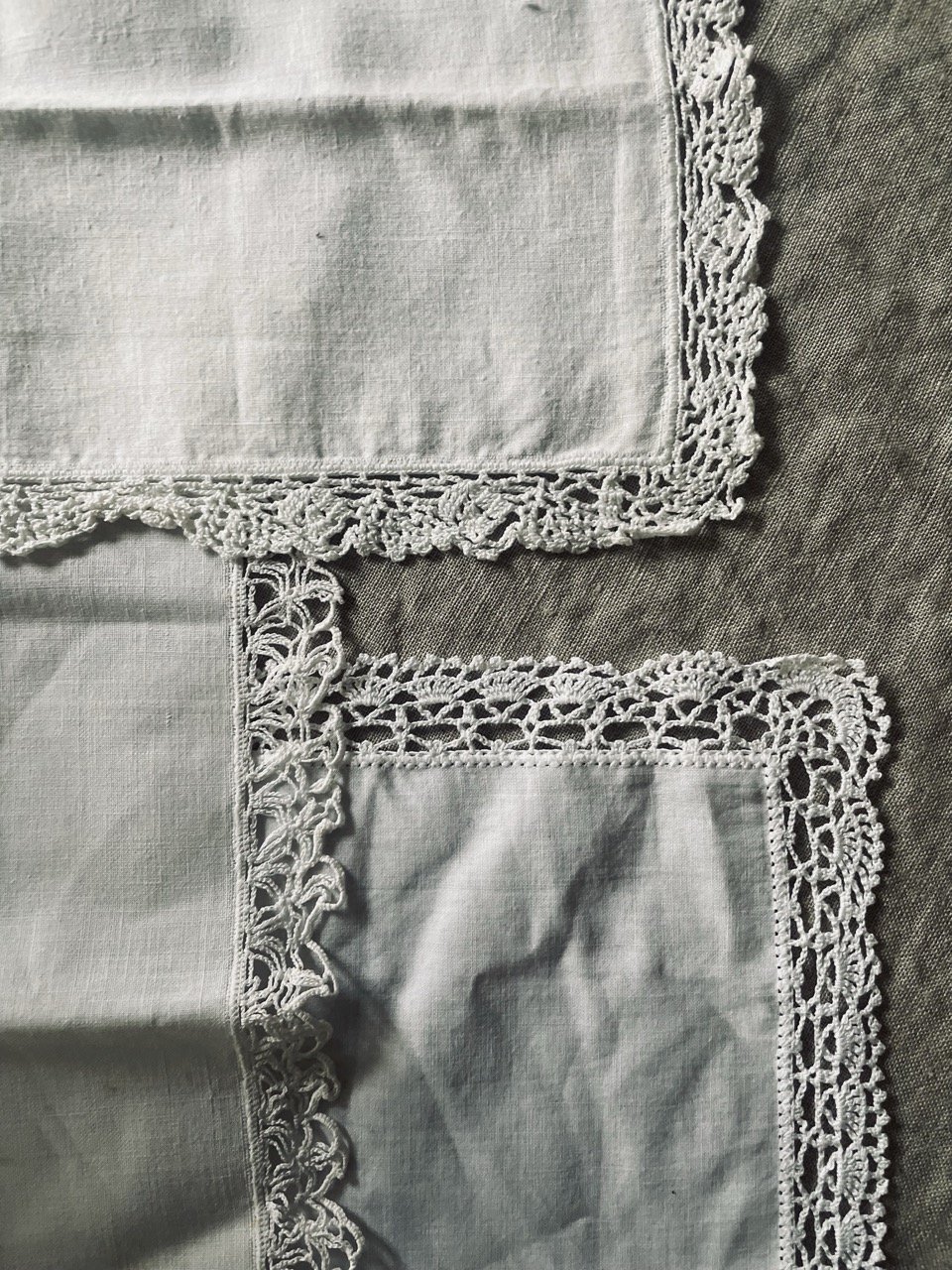
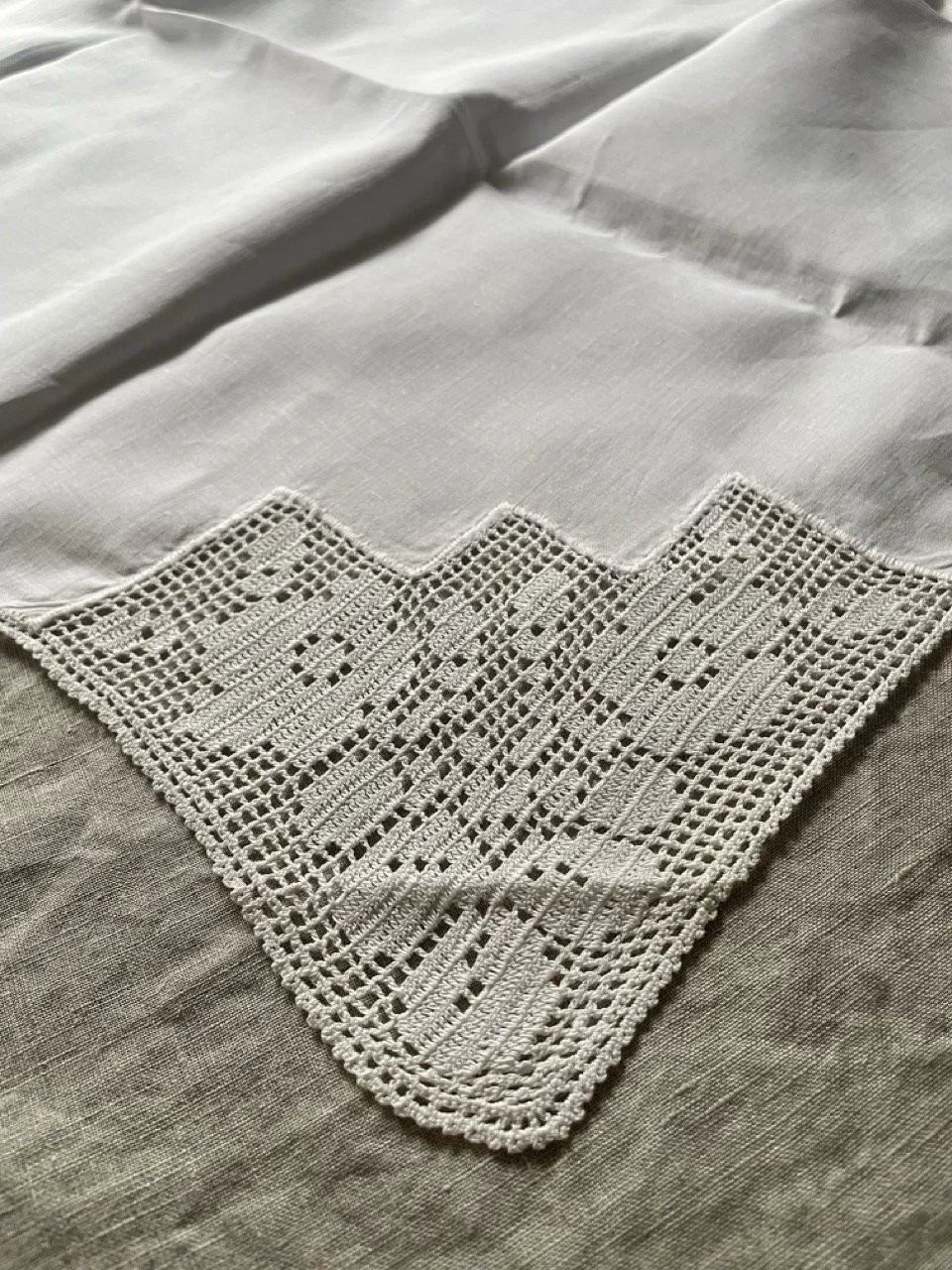
As I’ve started gathering pieces for the cottage, I pulled out a box of things that has travelled with me over the years and across continents. This collection of ordinary, chipped, frayed, commonplace items means more to me than I can put into words. It could easily be a box of items you’d find at a car boot sale and offer £5 for the lot. Yet to me, these are precious heirlooms. Unpacking these objects made me pause and wonder: what exactly makes a piece of fabric, or something stitched, painted, and made by hand, so deeply special?
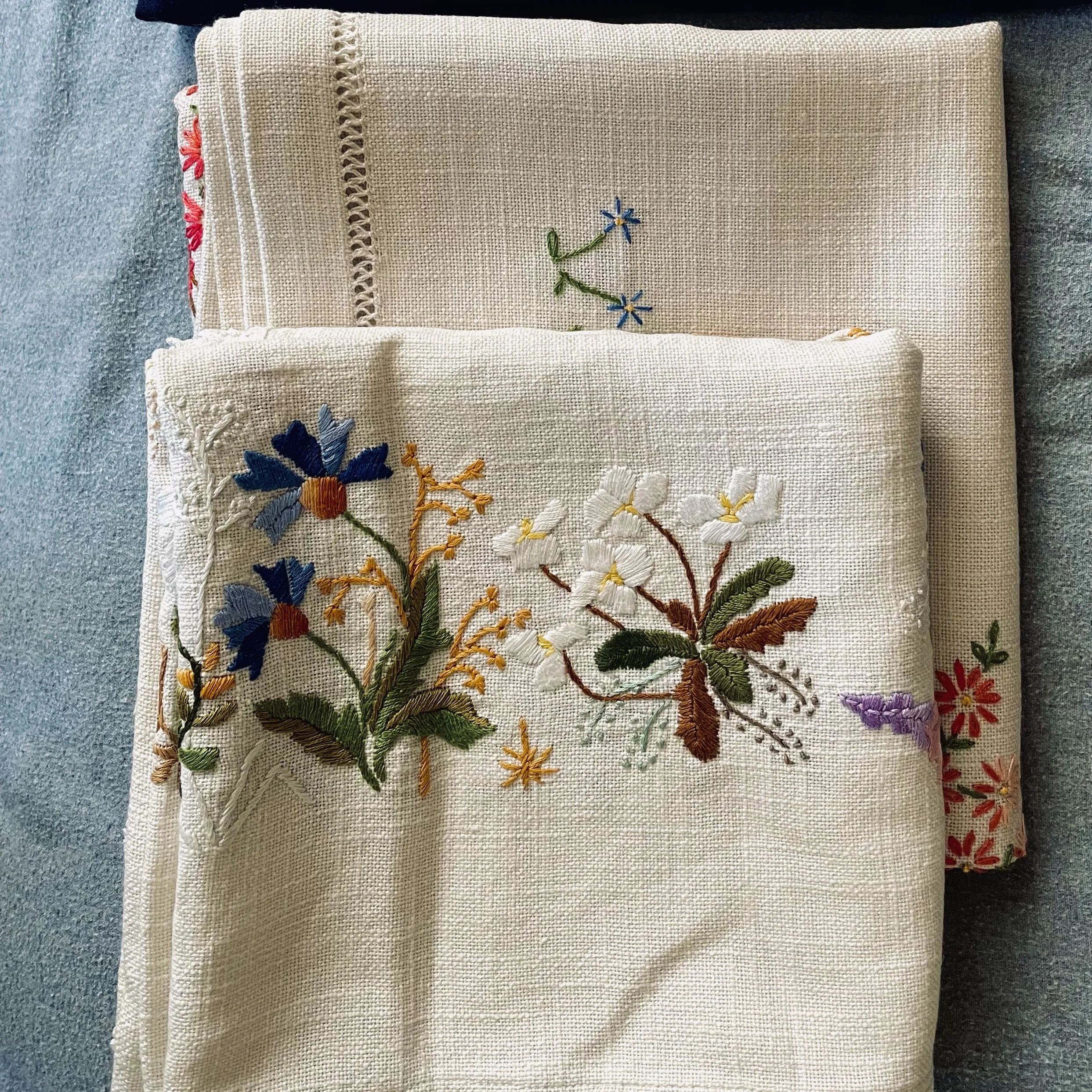
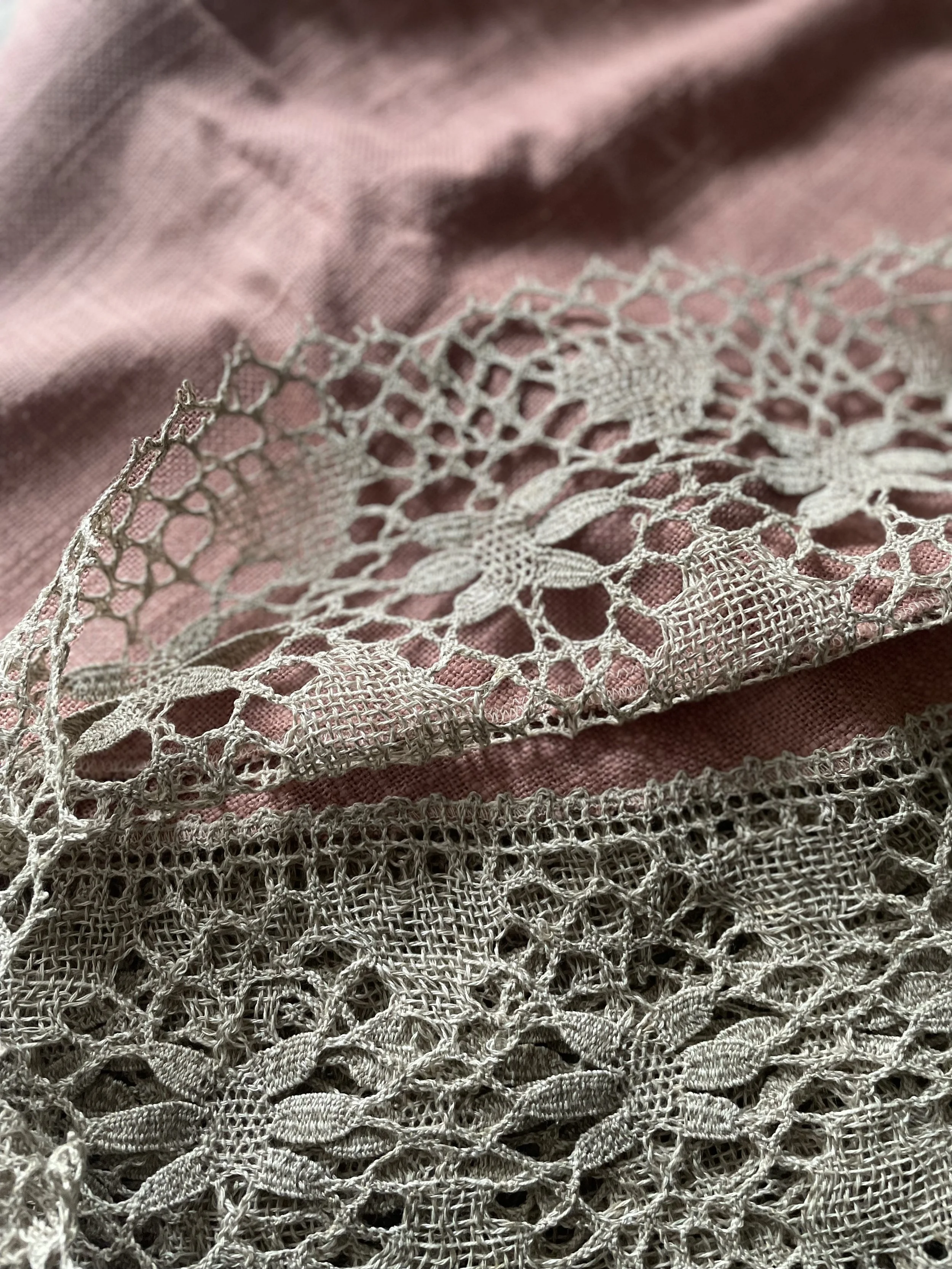
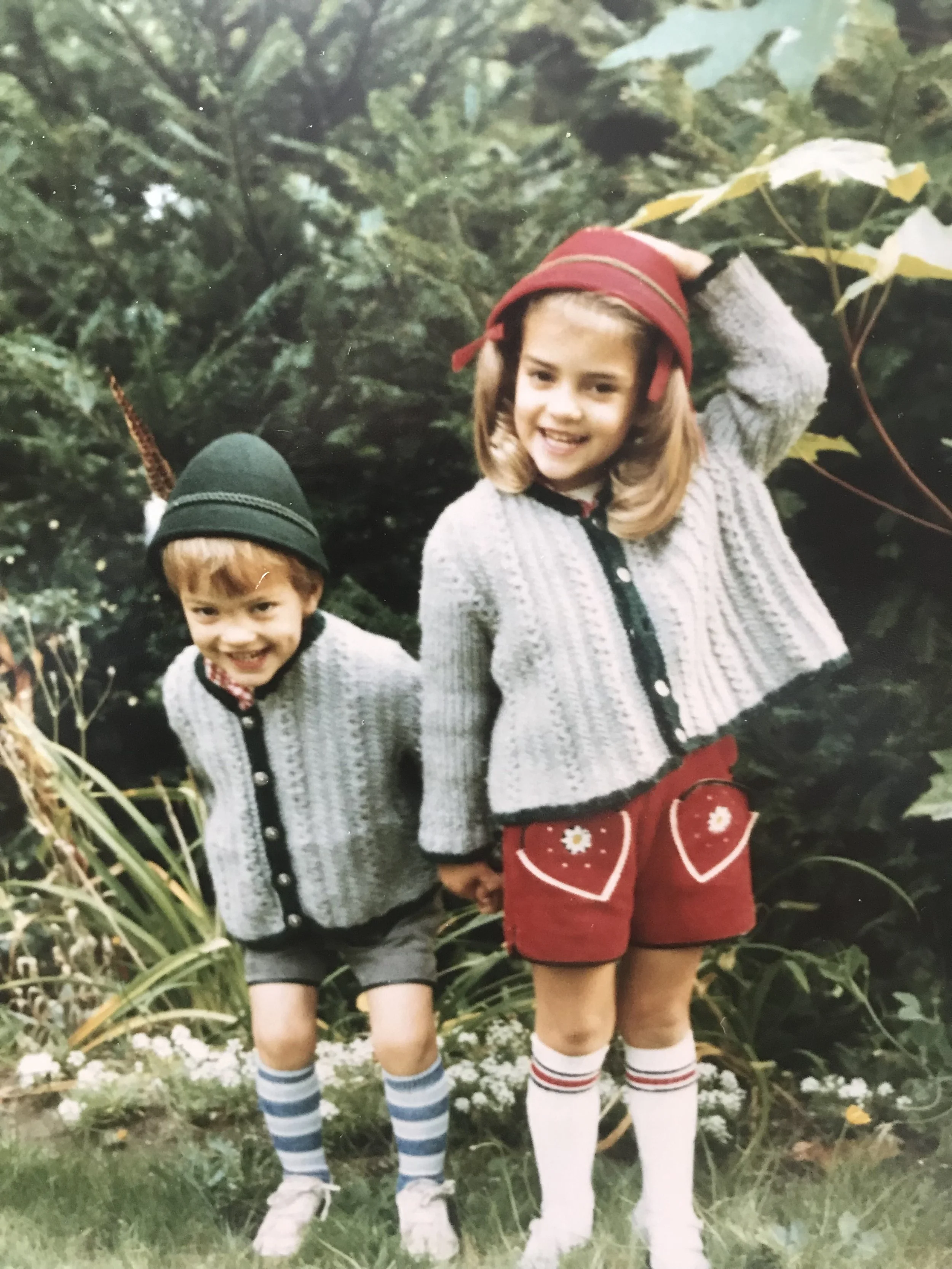
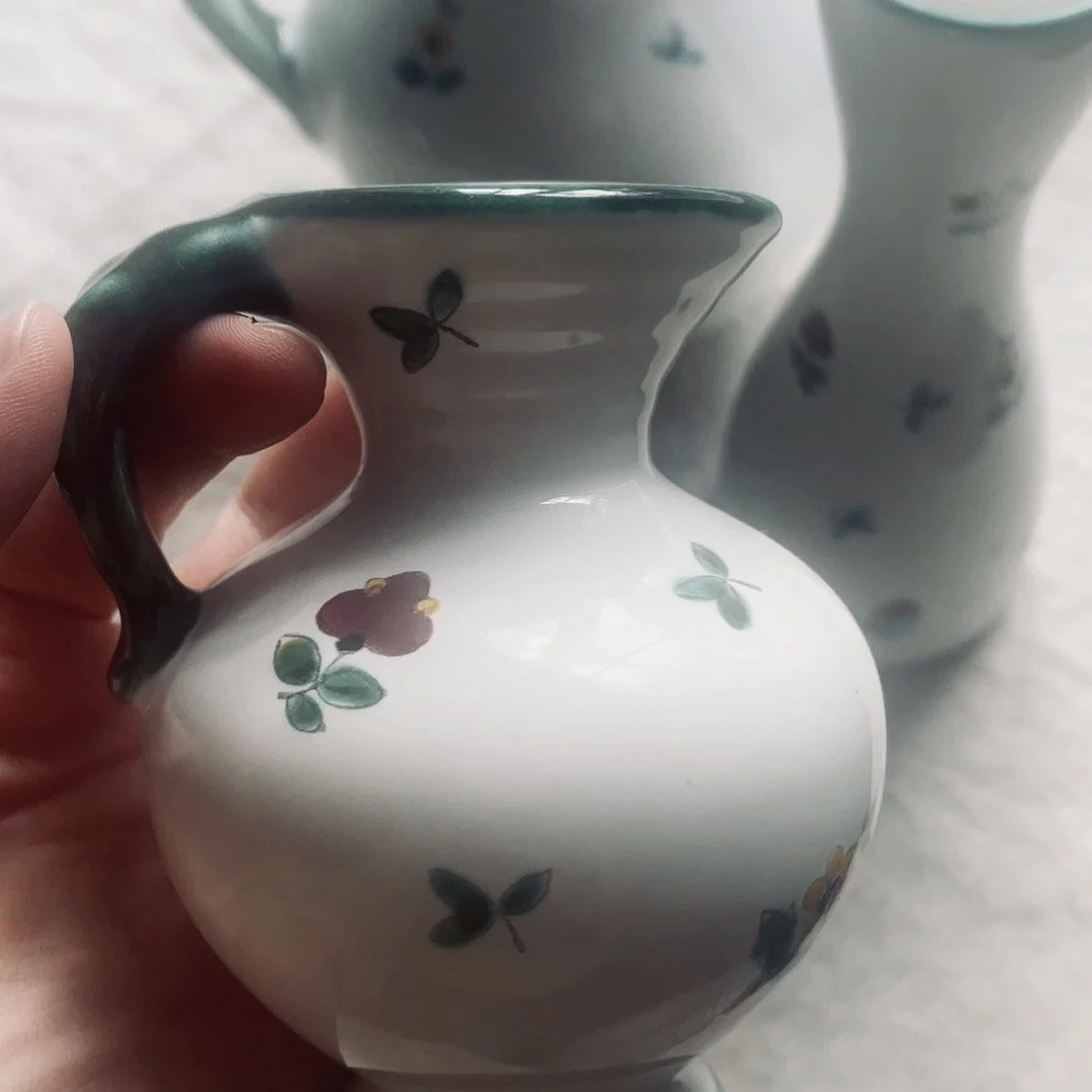
I was born in Austria and spent my childhood summers there, but it wasn't simply a holiday destination; it was woven into the fabric of our home growing up in Canada. My mum would often get deeply homesick, so we grew up surrounded by the things that kept a piece of her homeland close: the music, the language, the customs, and of course, the many objects she brought back with her. We had pieces in our home that no one else in our small town had. My mum always viewed hand luggage as an opportunity never to be missed: a special teacup carefully wrapped in bubble wrap, a goulash bowl, or a Christmas ornament placed into each backpack. Hand-painted napkin rings found their place squeezed into my sister’s violin case. Our suitcases on the journey home from Austria were always topped up with stacks of linens, wool and bolts of patterned fabrics. Not particularly exciting to an eight-year-old, but something I’m infinitely grateful for today. My mum would turn those precious imports into curtains, embroider them into tablecloths, make matching outfits for my siblings and me (and my teddy bear of course), and proudly round out sets of dishes that had taken several transatlantic trips to complete.
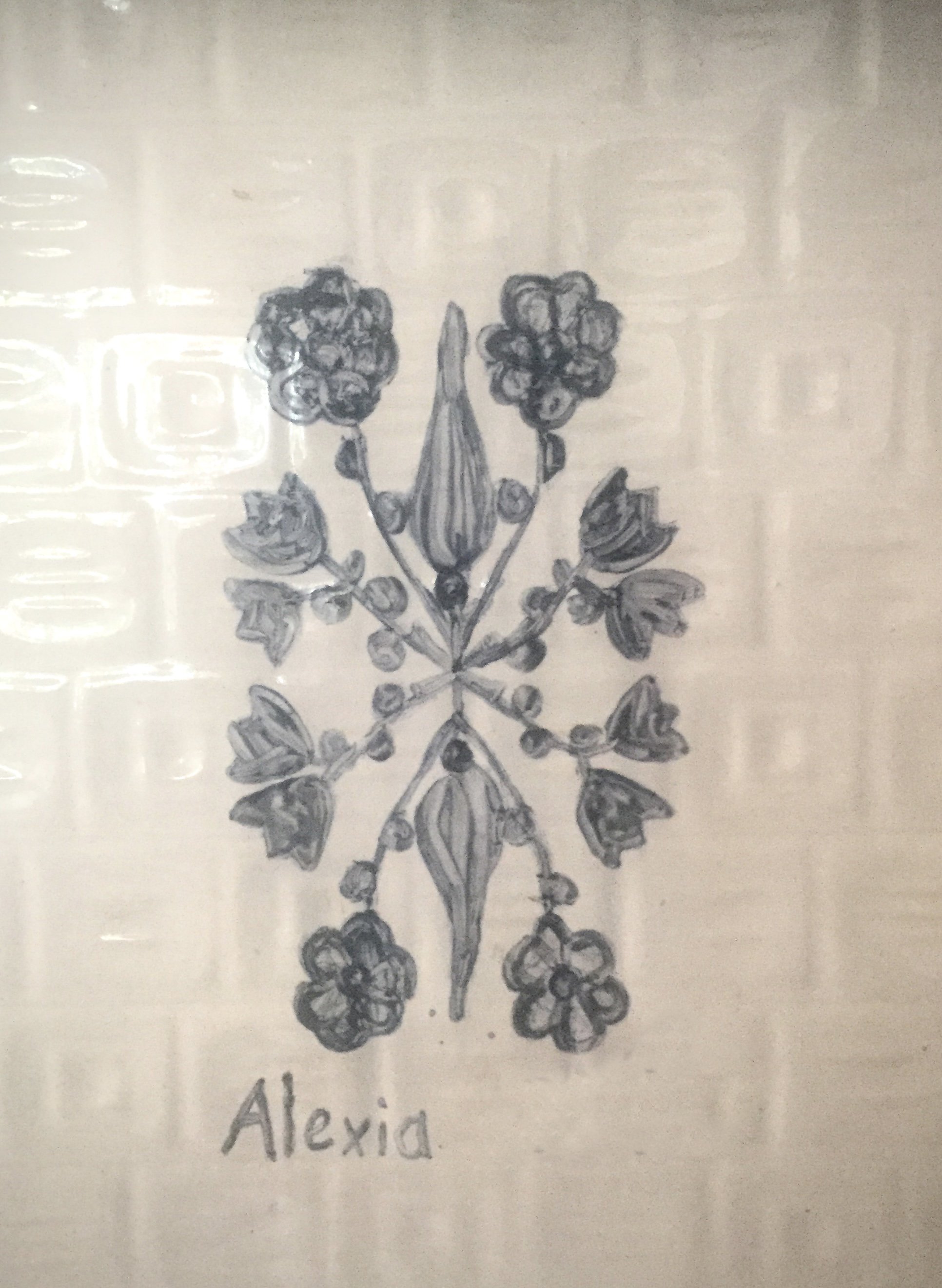
At the time, none of these things seemed extraordinary to me; they were simply the backdrop to my childhood. I think of the tiles we hand-painted that formed part of our Austrian tile stove in Canada, or the tablecloths we block-printed with potatoes on lovely linen, showing us that beautiful things weren’t too precious for paint-covered childhood hands to enjoy. I remember the matching hand-made outfits, often traditionally Austrian, reminding us of who we were and where we came from, even while growing up on a completely different continent.
I have always been drawn to things made slowly by hand, where marks and irregularities prove someone was there behind the creation. But I realise now that it isn't just the handmade quality that draws me in, it’s what happens to things when they are lived with.
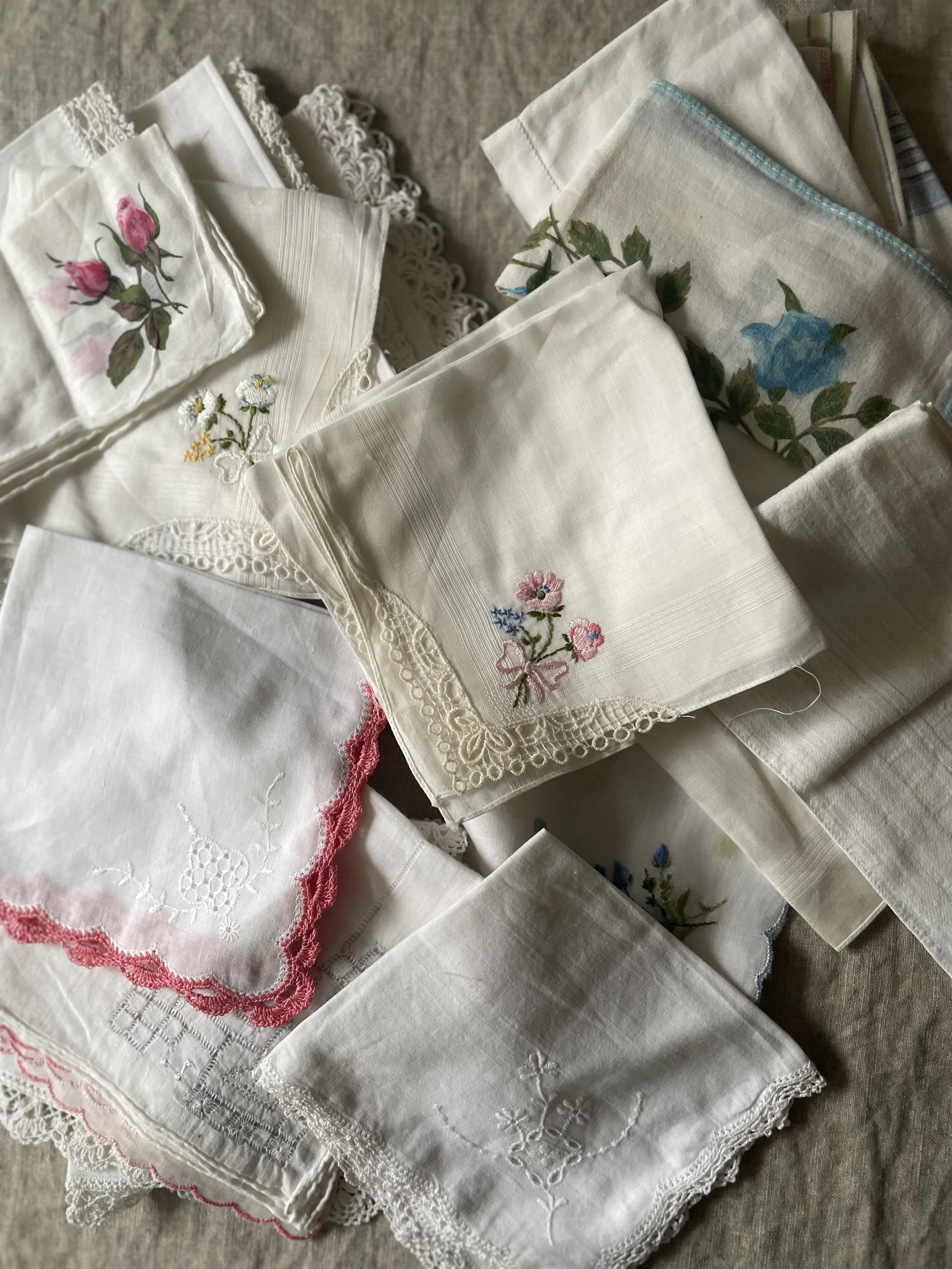
A hand-painted dish becomes more than a dish when it has held countless family meals. Holding it, I am transported back to my parents’ laughter and stories around a large wooden table my dad built out of a reclaimed door, a table that was always busy and welcoming. A hand-knit, well-darned jumper carries the seasons (and scent of woodsmoke and damp earth) of playing outside, passed down from eldest to youngest sibling until we were called in for dinner. An embroidered handkerchief becomes entirely different when you remember your grandmother pulling it from her sleeve to wipe your tears, then pressing it into your hand for safekeeping should it be needed again. The object outlives the moment, yet carries a trace of it. In that handkerchief, there is a memory of tears shed, but also of comfort and safety. That is what the things we cherish do so beautifully: they witness and gather the evidence of our lives.
None of these items were collected or created assuming they would form part of a family archive. They became heirlooms because they were there, because they were used, loved, and provided comfort. They lived alongside us, holding the stories of the lives that gathered around them.
My mum sadly passed away a few years ago, which is perhaps why these treasures hold so much meaning for me. But more than the things she left behind and the objects I hold in my little treasure box, there is the gift of creating. Of knowing that the patterns I now create hold my own stories and memories, too: my mum’s love of painting and dip pens, the tales and legends we were told every night, and the cultures that shaped who I have become.
I’m now in the process of bringing back the very same dish set my mum painstakingly carried to Canada, piece by piece. It is crossing an ocean yet again. Placing those familiar pieces on the shelves of the cottage suddenly makes it feel like home. We think we are inheriting objects, but we are actually inheriting fragments of lives lived and stories told—the making, the choosing, the using, the cherishing, the passing on.